
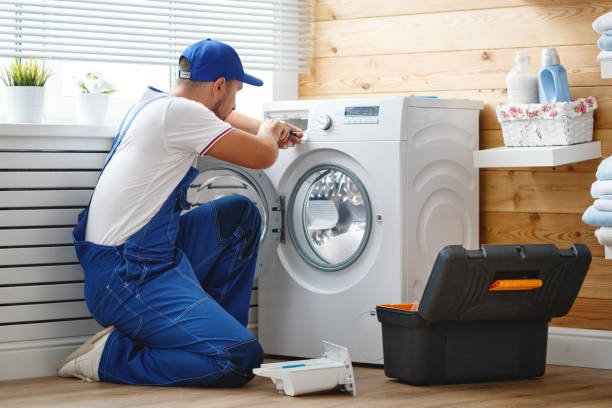
A washing machine is designed to operate smoothly, but unusual or loud noises can be a sign that something needs attention. If your washing machine is making banging, grinding, rattling, or vibrating sounds, it is important to identify the cause before a small problem becomes an expensive repair.
In this guide, we will explain the most common reasons why a washing machine makes loud noises and what you can do to solve the problem.
Why Is My Washing Machine Making Loud Noise?
Different sounds can indicate different problems. A washing machine may become noisy because of an unbalanced load, an uneven floor, worn-out parts, loose objects, or problems with the drum.
Here are some common causes to check.
1. Unbalanced Washing Load
One of the most common causes of loud banging is an unbalanced load. When clothes collect on one side of the drum, the washing machine can shake and make a loud banging noise during the spin cycle.
What You Can Do
Stop the washing machine and redistribute the clothes evenly inside the drum. Avoid washing one heavy item by itself, such as a large blanket or heavy towel.
If the problem happens frequently even with normal loads, the machine may need further inspection.
2. Washing Machine Is Not Level
A washing machine should sit evenly on the floor. If one side of the appliance is higher than the other, the machine can vibrate excessively during spinning.
Check the adjustable feet underneath the washing machine and make sure the appliance is stable.
A level washing machine should not rock when you gently push it from different sides.
3. Foreign Objects Inside the Drum
Coins, buttons, keys, zippers, or other small objects can become trapped inside the washing machine. These objects may create rattling or clicking sounds when the drum rotates.
Check clothing pockets before washing and inspect the drum for anything that should not be there.
If an object is stuck somewhere that you cannot safely reach, professional washing machine repair may be necessary.
4. Worn Drum Bearings
A damaged or worn drum bearing can cause a grinding, rumbling, or roaring sound. The noise may become louder as the spin speed increases.
This is usually not a simple cleaning problem. If you suspect damaged bearings, avoid continuing to use the washing machine until it has been inspected.
A professional technician can determine whether the bearing needs repair or replacement.
5. Damaged Shock Absorbers
Modern washing machines use suspension components or shock absorbers to control movement during the spin cycle.
When these parts become worn or damaged, the washing machine may shake strongly and produce banging noises.
If the machine moves excessively during spinning, a technician should inspect the suspension system.
6. Loose or Damaged Parts
Loose screws, panels, hoses, or other components can cause rattling sounds while the washing machine is operating.
Before checking anything, switch off and unplug the appliance. Look for obvious loose external parts, but do not remove electrical components unless you have the proper knowledge.
Professional inspection is safer when the source of the noise is unclear.
7. Overloading the Washing Machine
Putting too many clothes into the drum can place extra stress on the motor and suspension system.
Always follow the manufacturer’s recommended load capacity. Clothes need enough space to move freely during the wash and spin cycles.
Avoid filling the drum completely with tightly packed clothes.
When Should You Call a Washing Machine Repair Technician?
Some noises can be solved by redistributing clothes or leveling the machine. However, professional help is recommended when:
- The washing machine makes a grinding or roaring noise.
- The drum does not rotate normally.
- The machine moves heavily during spinning.
- You notice water leaking from the appliance.
- The noise continues after redistributing the load.
- The machine produces unusual electrical sounds.
- The washing machine stops working during a cycle.
Ignoring unusual noises can sometimes lead to more serious damage.
How to Prevent Washing Machine Noise
Regular care can help keep your washing machine operating smoothly.
Follow these simple tips:
- Do not overload the washing machine.
- Check pockets before putting clothes inside.
- Keep the appliance level.
- Clean the machine regularly.
- Follow the manufacturer’s maintenance instructions.
- Do not ignore unusual sounds.
- Have serious problems inspected by a qualified technician.
Final Thoughts
A noisy washing machine does not always mean that the appliance needs a major repair. In many cases, the problem may be caused by an unbalanced load or an uneven machine.
However, persistent grinding, banging, or roaring sounds can indicate worn or damaged components. Finding the problem early can help prevent further damage and unnecessary repair costs.
If your washing machine continues to make unusual noises after basic checks, consider getting professional automatic washer repair service to diagnose the problem.
For more helpful washing machine maintenance and repair information, continue exploring our website.