A washing machine is one of the most useful appliances in any home. We use it regularly to wash clothes, towels, bedsheets, and other household items. Because a washing machine works with water, electricity, moving parts, hoses, pumps, and a motor, regular maintenance is important to keep it working properly.
Many washing machine problems do not happen suddenly. Small issues such as detergent buildup, blocked filters, overloaded drums, dirty seals, or damaged hoses can gradually become bigger and more expensive problems.
The good news is that regular washing machine maintenance can help reduce the risk of common problems and keep your appliance working efficiently.
In this guide, you will learn practical washing machine maintenance tips, what parts to check, how often to perform basic maintenance, and when professional repair may be necessary.
Why Is Washing Machine Maintenance Important?
https://automaticwasherrepair.online/services/: Washing Machine Maintenance Tips: How to Keep Your Washer Working EfficientlyRegular maintenance helps keep a washing machine clean, efficient, and reliable. A poorly maintained washer may develop unpleasant odors, drainage problems, excessive vibration, leaks, or poor washing performance.
Maintenance can also help you notice small problems before they become major failures.
Some benefits of regular washing machine maintenance include:
- Better washing performance
- Reduced buildup inside the machine
- Fewer drainage problems
- Reduced unpleasant odors
- Better water flow
- Reduced risk of hose leaks
- Improved appliance reliability
- Longer useful service life
- Better overall laundry results
Taking a few minutes to check your washing machine regularly can save time and help prevent avoidable problems.
1. Do Not Overload the Washing Machine
One of the simplest maintenance tips is to avoid overloading the washing machine.
Every washing machine has a recommended load capacity. When you put too many clothes inside the drum, the machine may have difficulty moving the clothes properly.
An overloaded washer can also create an unbalanced load during the spin cycle. This may cause excessive vibration, noise, and additional stress on the machine.
Instead of filling the drum completely, follow the manufacturer’s recommended load capacity.
Large items such as blankets, heavy towels, and bedding may require special washing programs or smaller loads.
2. Use the Correct Amount of Detergent
Using too much detergent does not necessarily make clothes cleaner.
Excessive detergent can create too many suds and may leave residue inside the drum, detergent drawer, hoses, and other areas of the washing machine.
Over time, this buildup can contribute to unpleasant smells and cleaning problems.
Always follow the detergent manufacturer’s instructions and your washing machine manufacturer’s recommendations.
If your washing machine requires a specific type of detergent, use the recommended product.
3. Clean the Washing Machine Drum
The inside of the washing machine drum should also be maintained.
Even though the drum is used to clean clothes, detergent residue, dirt, lint, and moisture can accumulate inside the appliance.
Run the manufacturer’s recommended cleaning cycle when appropriate. If your washing machine has a specific drum-cleaning program, follow the instructions in the user manual.
Do not use harsh chemicals or cleaning products unless they are approved for your washing machine.
Regular drum cleaning can help reduce odors and buildup.
4. Clean the Detergent Drawer
The detergent drawer can become dirty over time.
Liquid detergent, powder, fabric softener, and water can leave residue inside the drawer and its compartments.
A dirty detergent drawer may cause poor detergent flow and unpleasant smells.
Remove the drawer if your washing machine allows it and clean it according to the manufacturer’s instructions.
Use warm water and a suitable cleaning method to remove residue. Make sure the drawer is completely dry before replacing it.
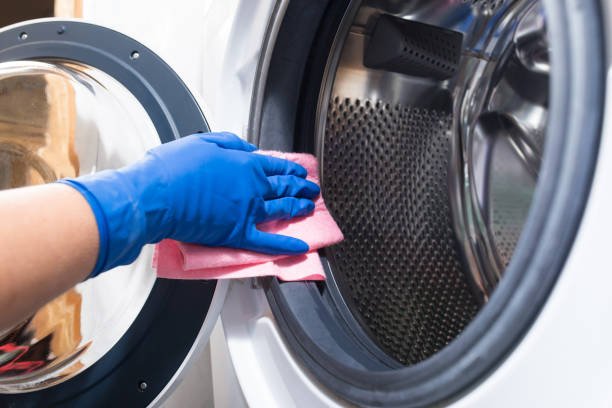
5. Check and Clean the Door Seal
Front-loading washing machines usually have a rubber door seal around the opening.
Small items, lint, hair, detergent residue, and moisture can collect around this seal.
After washing, inspect the seal and remove visible debris.
You can gently wipe the accessible areas with a clean, suitable cloth.
Keeping the door seal clean can help reduce odors and prevent buildup.
If the rubber seal becomes cracked, torn, or damaged, it may need replacement.
6. Clean the Drain Filter
The drain filter is an important part of many washing machines.
It can collect lint, hair, coins, buttons, and other small objects that accidentally enter the washing machine.
A blocked or dirty filter can contribute to drainage problems.
If your model has a user-accessible drain filter, clean it according to the manufacturer’s instructions.
Before opening the filter, switch off the appliance and disconnect it from the power supply. Also be prepared for water to drain from the filter area.
Never force a filter that you cannot safely remove. Check the user manual for the correct procedure.
7. Check the Drain Hose
The drain hose should be inspected regularly.
Make sure the hose is not sharply bent, crushed, blocked, or damaged.
A kinked drain hose can restrict water flow and may contribute to drainage problems.
Check the connection between the washing machine and the household drain as well.
If you notice cracks, leaks, or serious damage, replace the hose rather than continuing to use a damaged component.
8. Inspect the Water Supply Hoses
Water supply hoses are another important part of washing machine maintenance.
Inspect the hoses for:
- Cracks
- Bulges
- Loose connections
- Signs of wear
- Water leakage
If you notice water around the hose connection, stop using the machine until the cause has been safely identified.
A damaged water hose can potentially cause a significant leak, so it should not be ignored.
9. Keep the Washing Machine Level
A washing machine that is not level may vibrate excessively during the spin cycle.
If your washer moves, shakes, or makes loud banging noises, check whether it is standing level on the floor.
Adjust the machine’s leveling feet according to the manufacturer’s instructions.
The floor should also be strong and stable enough to support the appliance.
Proper leveling can improve stability and reduce unnecessary vibration.
10. Leave the Door Open After Washing
After completing a washing cycle, leaving the door slightly open can help the inside of a front-loading washing machine dry.
Closing the door immediately while the drum is still wet can trap moisture inside.
Moisture can contribute to unpleasant odors and buildup.
If you have children or pets, follow appropriate safety precautions and never leave the appliance accessible in a way that creates a hazard.
11. Remove Clothes After the Cycle
Try not to leave wet clothes inside the washing machine for a long period after the cycle finishes.
Wet clothes sitting inside a closed washer can develop an unpleasant smell.
Remove laundry when practical and allow the inside of the appliance to dry.
This simple habit can help keep your washing machine fresher.
12. Check the Washing Machine for Unusual Sounds
Pay attention to changes in the sound of your washing machine.
Some noise is normal, especially during spinning, but a new grinding, scraping, banging, or repeated unusual sound may indicate a problem.
Possible causes can include:
- An unbalanced load
- An object trapped inside the machine
- A leveling problem
- A worn mechanical component
- A drainage issue
First stop the machine safely and check for simple causes such as an unbalanced load.
If the unusual noise continues, professional inspection may be necessary.
13. Watch for Water Leaks
Water around a washing machine should never be ignored.
If you notice water on the floor, check the accessible hoses and connections once the machine has been safely stopped.
A leak may come from a hose, door seal, detergent drawer, drain connection, or an internal component.
Do not continue operating a machine with a serious or unexplained leak.
Water and electricity can create dangerous conditions, so electrical problems should be handled by a qualified professional.
14. Use the Correct Washing Cycle
Using the correct cycle for the type of laundry can help your washing machine operate properly.
Different fabrics and loads may require different temperatures, spin speeds, and cycle lengths.
Always follow the clothing labels and washing machine instructions.
Avoid repeatedly using a cycle that is inappropriate for the load.
Using the correct program can also help prevent unnecessary wear on clothes and the appliance.
15. Do Not Ignore Drainage Problems
If your washing machine takes longer than usual to drain, leaves water inside the drum, or produces a drainage error, investigate the problem early.
A small blockage can sometimes become worse if it is ignored.
Check the user-accessible drain filter and hose according to the manufacturer’s instructions.
If the machine still cannot drain properly, the drain pump or another component may require professional inspection.
How Often Should You Maintain a Washing Machine?
The exact maintenance schedule depends on the washing machine model and how frequently it is used.
As a general routine:
After each wash:
- Remove clothes promptly.
- Wipe away visible moisture when appropriate.
- Leave the door slightly open on front-load machines if safe.
Every few weeks:
- Check the door seal.
- Inspect the detergent drawer.
- Look for unusual odors or buildup.
Regularly according to the manufacturer’s instructions:
- Clean the drum.
- Clean the drain filter if applicable.
- Inspect water and drain hoses.
Always follow the maintenance instructions provided for your specific washing machine.
Common Washing Machine Maintenance Mistakes
Some simple mistakes can reduce the performance of a washing machine.
Overloading the Drum
Putting too many clothes into the machine can cause poor cleaning and unbalanced spinning.
Using Too Much Detergent
Excess detergent can create residue and excessive suds.
Ignoring Strange Noises
A new unusual sound may be an early warning of a problem.
Forgetting the Drain Filter
A dirty filter can contribute to drainage issues.
Closing the Door Immediately
Trapped moisture can contribute to odors and buildup.
Ignoring Small Leaks
A small leak can become a larger problem if the source is not addressed.
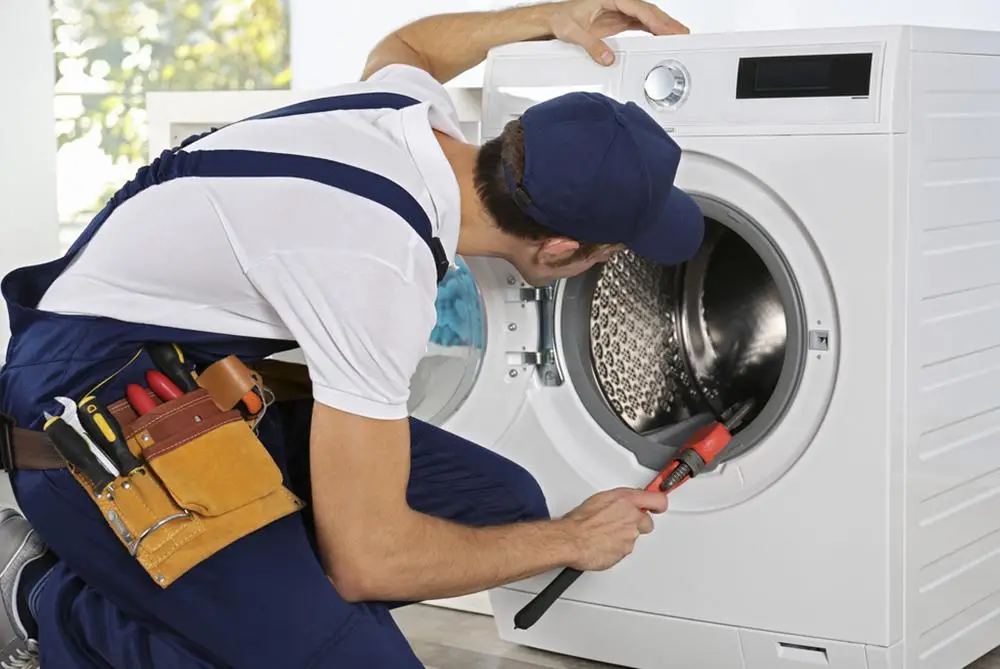
When Should You Contact a Washing Machine Repair Professional?
Contact a qualified washing machine repair professional if:
- The washer has an electrical fault.
- The machine repeatedly stops during cycles.
- The motor is not working correctly.
- The drain pump appears to have failed.
- There is a serious water leak.
- The drum is not operating normally.
- The machine produces persistent grinding or burning sounds.
- A problem continues after basic troubleshooting.
Do not attempt to repair electrical components yourself unless you have the appropriate training and knowledge.
Final Thoughts
Regular washing machine maintenance is one of the best ways to keep your appliance working efficiently.
Simple habits such as avoiding overloads, using the correct amount of detergent, cleaning accessible filters, checking hoses, maintaining the door seal, and keeping the machine level can help prevent many common problems.
It is also important to pay attention to warning signs. Unusual noises, leaks, drainage problems, strong odors, or repeated error messages should not be ignored.
If a problem requires electrical or major mechanical repair, professional assistance is the safest option.
With proper care and regular maintenance, your washing machine can continue providing reliable laundry performance for years.
Frequently Asked Questions
How often should I clean my washing machine?
The cleaning frequency depends on the machine and how often it is used. Follow the manufacturer’s maintenance instructions and clean accessible areas regularly.
How can I prevent my washing machine from smelling?
Keep the drum and detergent drawer clean, remove wet clothes promptly, and allow the inside of the machine to dry when appropriate.
Why does my washing machine shake during spinning?
An unbalanced load or an uneven machine can cause excessive vibration. Redistribute the clothes and check that the machine is level.
Can too much detergent damage a washing machine?
Excess detergent can create excessive suds and residue. Always use the amount recommended by the detergent and washing machine manufacturers.
How do I maintain a washing machine drain filter?
If your model has a user-accessible drain filter, clean it according to the manufacturer’s instructions. Always switch off and disconnect the machine before performing maintenance.
When should I call a washing machine repair technician?
If the machine has an electrical problem, serious leak, persistent unusual noise, motor issue, pump problem, or repeated malfunction, professional inspection is recommended.
Is regular washing machine maintenance really necessary?
Yes. Regular maintenance can help identify small problems early, reduce buildup, improve performance, and potentially reduce avoidable repair issues.
https://automaticwasherrepair.online/services/: Washing Machine Maintenance Tips: How to Keep Your Washer Working Efficiently