A washing machine that does not drain water can be a frustrating problem. After a wash cycle, you may find dirty water still inside the drum, wet clothes that cannot spin properly, or an error message on the display.
If your washing machine is not draining water, do not immediately assume that the machine needs expensive repairs. In many cases, the problem can be caused by a blocked drain hose, clogged filter, foreign object, or an issue with the drain pump.
This guide explains the most common causes of washing machine drainage problems and what you can check before calling a professional repair technician.
Why Is My Washing Machine Not Draining Water?
There are several reasons why an automatic washing machine may fail to drain. The most common causes include:
- Blocked drain hose
- Clogged drain filter
- Foreign objects inside the pump
- Faulty drain pump
- Incorrect drain hose installation
- Excessive detergent or soap buildup
- Blocked household drain
- Electrical or control problem
Finding the exact cause is important because the correct solution depends on the problem.
1. Check the Drain Hose
The drain hose is one of the first things you should inspect when your washing machine does not drain.
A hose can become bent, twisted, blocked, or pushed too far into the drain pipe. Any restriction can prevent water from leaving the washing machine.
Turn off the washing machine and inspect the visible section of the drain hose. Make sure it is not sharply bent or crushed behind the machine.
2. Clean the Washing Machine Drain Filter
Many automatic washing machines have a drain filter designed to catch small objects and debris before they reach the drain pump.
Over time, the filter can collect:
- Coins
- Buttons
- Hair
- Fabric pieces
- Lint
- Small objects
A heavily blocked filter can reduce or completely stop drainage.
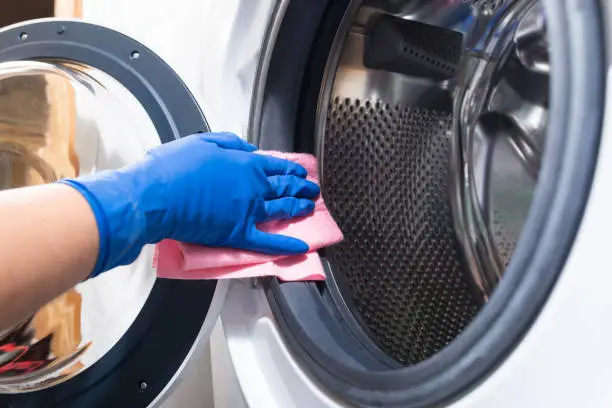
Before cleaning the filter, switch off the machine and follow the instructions in your washing machine manual. Some models may contain water behind the filter, so be prepared for water to come out when it is opened.
3. Check for Foreign Objects
Small objects left inside pockets can cause drainage problems.
Coins, keys, buttons, socks, and other small items can sometimes become trapped in the drainage system.
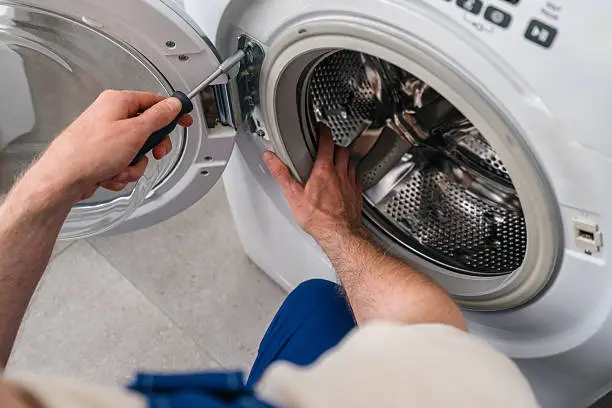
If the washing machine makes a humming sound but does not drain, an object may be restricting the drain pump.
Do not put your hands intoDo not put your hands into moving or powered components. Disconnect the machine from power before performing any inspection that requires access to internal areas.
4. Drain Pump May Be Faulty
The drain pump is responsible for moving water out of the washing machine.
If the drain hose and filter are clear but water still remains inside the machine, the drain pump may be damaged or blocked.
Signs of a possible drain pump problem include:
Water remains in the drum Machine stops before the spin cycle Humming noise
5. Check the Household Drain
Sometimes the washing machine itself is not the problem.
The household drain or pipe connected to the washing machine may be blocked. If water cannot flow through the drain system, the washing machine may appear to have a drainage fault.
Check whether the nearby drain is flowing normally. If other water drains slowly in the same area, the problem may be related to the household plumbing rather than the washing machine.
6. Too Much Detergent Can Cause Problems
Using more detergent than recommended does not necessarily make clothes cleaner.
Excess detergent can create excessive foam and residue. In some situations, this can interfere with normal washing and drainage.
Always use the amount of detergent recommended for your washing machine and the type of detergent being used.
If your machine
7. Washing Machine Stops Before Spin Cycle
washing machine may refuse to enter the spin cycle if it has not successfully drained the water.
This means the spin problem may actually be a drainage problem.
If you notice that water remains inside the drum and the machine will not spin, check the drain hose and filter first.
How to Fix a Washing Machine That Is Not Draining
want to troubleshoot the problem, follow these basic steps:
Step 1: Turn Off the Machine
Turn off the washing machine before checking hoses or filters. If you need to access electrical or internal components, disconnect the power.
Step 2: Check the Drain Hose
Look for bends, twists, crushing, or visible blockage.
Step 3: Check the Drain Filter
If your model has an accessible drain filter, clean it according to the manufacturer’s instructions.
Step 4: Check the Drain
Make sure the household drain is not blocked.
Step 5:After completing safe external checks, run an appropriate drain or rinse cycle to see whether the water leaves the machine normally.
Step 6: Contact a Professional
If the machine still does not drain, the problem may involve the pump, wiring, control system, or another internal component.
When Should You Call a Washing Machine Repair Technician?
You should consider professional help when basic checks do not solve the problem.
A technician may be needed if:
- The drain pump is not working.
- The machine repeatedly stops.
- The machine displays a persistent error code.
- There is a burning smell.
- Electrical components appear damaged.
- Water is leaking from inside the machine.
- The machine makes unusual mechanical noises.
- The drainage problem keeps returning.
Trying to repair electrical or internal mechanical components without the proper knowledge can cause further damage or create a safety risk.
How to Prevent Washing Machine Drainage Problems
Regular maintenance can help reduce drainage problems.
Clean the accessible drain filter according to the manufacturer’s recommendations. Check pockets before putting clothes into the washing machine and avoid overloading the drum.