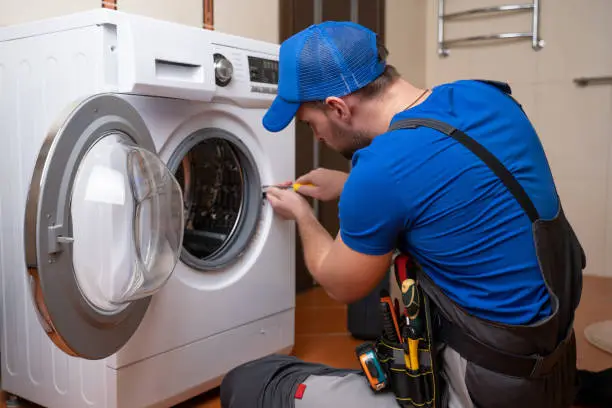
A washing machine is an important appliance in almost every home. It saves time, reduces manual work, and makes washing clothes much easier. However, like any other household appliance, a washing machine needs regular care and maintenance to continue working properly.
Many washing machine problems do not happen suddenly. They often develop because of poor maintenance, overloading, excessive detergent, blocked filters, dirty seals, or neglected hoses. Regular maintenance can help reduce these problems and may also improve the overall washing performance of your machine.
In this guide, we will discuss simple and practical washing machine maintenance tips that homeowners can follow to keep their automatic washer in better condition.
Why Washing Machine Maintenance Is Important
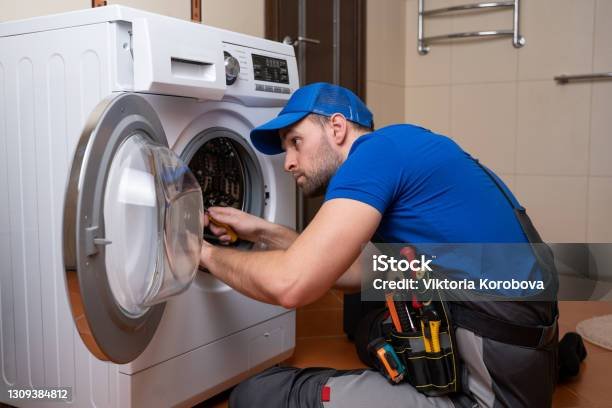
Regular maintenance is important because a washing machine contains several moving, electrical, and water-connected components. Dirt, detergent residue, lint, and small objects can build up over time.
Proper maintenance can help:
- Improve washing performance
- Reduce unpleasant smells
- Keep clothes cleaner
- Reduce unnecessary vibration
- Help prevent drainage problems
- Protect hoses and connections
- Reduce the chance of unexpected breakdowns
- Extend the useful life of the appliance
Maintenance does not mean taking the entire washing machine apart. Many important maintenance tasks are simple and can be performed as part of your normal cleaning routine.
1. Do Not Overload the Washing Machine
One of the most common mistakes is putting too many clothes inside the drum.
Every washing machine has a recommended load capacity. If the drum is overloaded, clothes may not move freely during the wash cycle. The machine may also have difficulty spinning and draining properly.
Overloading can place additional stress on the motor, drum, suspension system, and other components.
Try to leave enough space for clothes to move freely during the wash.
2. Use the Correct Amount of Detergent
Using more detergent does not necessarily make clothes cleaner.
Too much detergent can leave residue inside the drum and create excessive foam. Over time, detergent buildup can contribute to unpleasant smells and poor washing performance.
Always follow the detergent manufacturer’s instructions and the washing machine manufacturer’s recommendations.
If your machine requires a specific type of detergent, use the recommended product.
3. Clean the Washing Machine Drum
The inside of the washing machine can collect detergent residue, dirt, and moisture.
Even though the drum is designed to clean clothes, it also needs occasional cleaning.
Run an appropriate cleaning cycle according to your washing machine’s manual. If your appliance has a dedicated drum-cleaning program, use it as recommended by the manufacturer.
Avoid using cleaning chemicals that are not approved for your machine.
4. Clean the Door Seal
Front-load washing machines have a rubber seal around the door. Water, hair, lint, and detergent residue can collect inside this area.
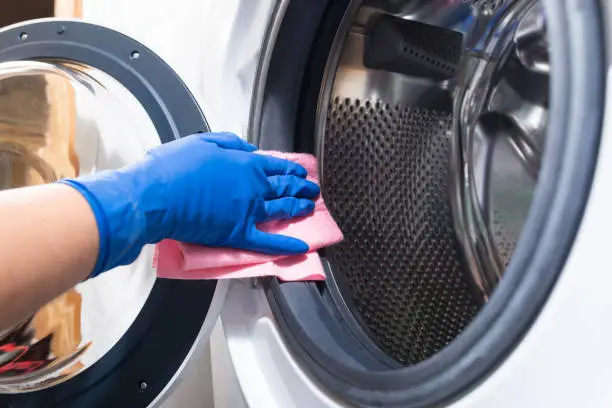
Open the seal carefully and remove visible dirt or debris. Wipe the area with a suitable cloth and allow it to dry.
A dirty or wet door seal can contribute to unpleasant smells and may eventually affect the condition of the rubber.
5. Keep the Door Open After a Wash
After completing a washing cycle, leaving the door slightly open can allow moisture inside the drum to evaporate.
Closing the door immediately after washing can trap moisture inside the machine.
When appropriate and safe, leave the door or lid open for a while after the cycle finishes.
If there are children or pets in the home, make sure this is done safely.
6. Clean the Detergent Drawer
The detergent drawer can accumulate detergent, fabric softener, and water residue.
Remove and clean the drawer according to your washing machine’s instructions. Use a soft cloth or suitable brush to remove buildup.
A clean detergent drawer helps detergent and softener flow properly into the washing machine.
7. Check the Drain Filter
Some washing machines have a drain filter designed to catch lint and small objects.
Coins, buttons, hair, and other debris can collect in the filter.
A blocked filter may contribute to drainage problems or unusual pump noises.
Check your owner’s manual to find the correct location and cleaning procedure for the filter. Always follow the manufacturer’s instructions before opening any filter or drain access.
8. Inspect the Water Inlet Hoses
Water inlet hoses are important because they supply water to the washing machine.
Inspect the hoses occasionally for:
- Cracks
- Bulges
- Leaks
- Loose connections
- Kinks
- Signs of wear
If a hose appears damaged, it should be replaced rather than ignored.
A damaged water hose can cause significant water leakage.
9. Check the Drain Hose
The drain hose should not be severely bent, crushed, or blocked.
A drainage hose problem can prevent water from leaving the washing machine properly.
Make sure the hose is installed according to the manufacturer’s instructions and that the connection is secure.
If the machine repeatedly fails to drain, the problem may require professional diagnosis.
10. Keep the Washing Machine Level
A washing machine that is not level can vibrate or move excessively during the spin cycle.
Place the appliance on a stable surface and check whether it is level.
If your machine has adjustable feet, they can normally be adjusted according to the manufacturer’s instructions.
Reducing excessive vibration can help improve the machine’s operation and reduce unnecessary stress on components.
11. Empty Pockets Before Washing
Small objects left inside clothing pockets can cause problems.
Coins, keys, pens, clips, and other objects can fall into the drum or drainage system.
Before putting clothes into the washing machine, check all pockets carefully.
This simple habit can help prevent blockages and unwanted noises.
12. Do Not Ignore Unusual Sounds
A washing machine may produce normal operating sounds, but sudden or unusual noises should not be ignored.
If you notice new sounds such as loud banging, grinding, rattling, or repeated clicking, stop and investigate the cause.
First check whether the load is balanced and whether a foreign object is inside the drum.
If the unusual noise continues, professional inspection may be necessary.
13. Avoid Washing Machine Overuse
Using a washing machine repeatedly without allowing it to cool or following the manufacturer’s recommended operating guidelines may place unnecessary stress on the appliance.
Use suitable wash cycles for the type and amount of clothing.
Avoid running the machine unnecessarily when there is only a very small load unless the manufacturer’s instructions allow it.
14. Clean the Exterior
The outside of the washing machine should also be kept clean.
Dust and detergent residue can collect around buttons, doors, handles, and control panels.
Use a soft, slightly damp cloth to clean the exterior and follow the manufacturer’s cleaning recommendations.
Do not pour water directly onto the control panel or electrical areas.
15. Follow the Manufacturer’s Instructions
Every washing machine is different.
The correct cleaning cycle, detergent type, load capacity, filter maintenance, and other procedures can vary depending on the model.
Always keep the owner’s manual and follow the manufacturer’s recommendations.
If you have lost the manual, check whether the manufacturer provides documentation for your specific model.
Signs That Your Washing Machine Needs Professional Repair
https://automaticwasherrepair.online/washing-machine-maintenance-tips
Regular maintenance can help prevent some problems, but it cannot prevent every possible failure.
Contact a professional repair technician if your washing machine:
- Does not turn on
- Stops repeatedly during cycles
- Does not drain
- Does not spin
- Leaks water
- Makes loud or unusual noises
- Shows repeated error codes
- Produces a burning smell
- Trips the electrical breaker
- Has a damaged power cord
- Has serious water leakage
Electrical and internal mechanical problems should not be handled without the appropriate knowledge and safety precautions.
Washing Machine Maintenance Checklist
https://automaticwasherrepair.online/washing-machine-maintenance-tips/?
A simple maintenance routine can make it easier to remember important tasks.
Every Wash
Check pockets before washing and avoid overloading the drum.
Every Few Weeks
Clean the detergent drawer and inspect the door seal.
Regularly
Check the inlet and drain hoses for signs of damage or leakage.
When Recommended by the Manufacturer
Run the drum-cleaning cycle and clean the drain filter according to the appliance manual.
Whenever You Notice a Problem
Do not ignore unusual sounds, leaks, error codes, or changes in washing performance.
How Maintenance Can Help Reduce Repair Costs
A small maintenance task may help prevent a bigger problem.
For example, keeping the drain filter clean can help reduce the chance of drainage-related issues. Checking hoses can help identify wear before a major leak occurs. Avoiding overloading can reduce unnecessary stress on the machine.
Maintenance cannot guarantee that a washing machine will never break down, but it can help you identify potential problems earlier.
When Repair Is Better Than Replacement
A washing machine should not automatically be replaced just because it has developed a problem.
In many cases, a repair may be a practical option, especially when the appliance is otherwise in good condition.
The decision should consider:
- Age of the washing machine
- Type of problem
- Repair cost
- Availability of replacement parts
- Overall condition of the machine
- Expected future reliability
A qualified technician can help determine whether repair or replacement makes more sense.
Conclusion
Regular washing machine maintenance is one of the easiest ways to keep your appliance working properly. Simple habits such as avoiding overloading, using the correct amount of detergent, cleaning the drum and detergent drawer, checking hoses, cleaning filters, and keeping the machine level can make a significant difference.
It is also important to pay attention to warning signs. Water leaks, unusual noises, drainage problems, repeated error codes, and electrical issues should not be ignored.
If basic maintenance does not solve a problem, professional automatic washer repair can help identify the actual cause and provide the appropriate solution.
Taking care of your washing machine today can help you avoid unnecessary problems tomorrow and keep your appliance performing efficiently for longer.