
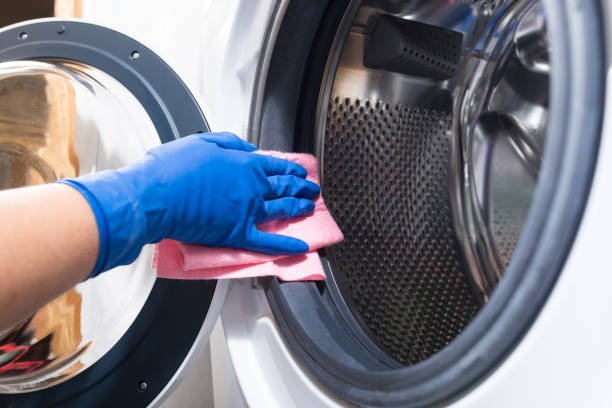
Is your washing machine making loud, unusual, or strange noises during the wash or spin cycle? A noisy washing machine can be more than just annoying. In some cases, it may indicate a problem with the drum, motor, bearings, suspension, drain pump, or other internal components.
A washing machine normally produces some sound while filling, washing, draining, and spinning. However, if you suddenly notice banging, grinding, squealing, rattling, clicking, or vibrating noises, it is important to identify the cause before the problem becomes more serious.
This guide explains the most common reasons why a washing machine makes loud noises and what you can do to solve the problem.
Common Types of Washing Machine Noises
Different sounds can indicate different problems. Pay attention to the type of noise your washing machine is making.
1. Banging or Thumping Noise
A banging or thumping sound is often heard during the spin cycle. One common reason is that the clothes inside the drum have become unbalanced.
For example, washing a heavy blanket, towel, or bedsheet with only a few other items can cause the load to move to one side of the drum. This creates excessive movement and may cause the machine to shake or bang.
What you can do:
- Stop the washing machine.
- Open the door when it is safe.
- Redistribute the clothes evenly.
- Avoid washing one very heavy item by itself.
- Make sure the machine is standing level on the floor.
If the machine continues making a loud banging noise even with a balanced load, there may be a problem with the suspension system or another internal component.
2. Grinding Noise During Spin
A grinding noise can be a sign of a mechanical problem. Possible causes include worn drum bearings, a damaged motor component, or an object trapped between the inner and outer drum.
If the grinding becomes louder as the drum spins faster, the bearings may need inspection.
Continuing to operate a washing machine with seriously damaged bearings can potentially cause additional damage to other components.
3. Rattling or Clicking Noise
A rattling or clicking noise may occur when a small object becomes trapped inside the washing machine.
Coins, buttons, keys, clips, and other small objects can sometimes enter areas around the drum or drain system.
Before assuming that a major component has failed, check:
- Clothing pockets
- The drum
- The door seal
- The drain filter
- Areas around the machine
Always disconnect the appliance from electrical power before carrying out any inspection that requires opening or accessing internal components.
4. Washing Machine Vibrating Excessively
Excessive vibration is one of the most common washing machine problems.
A washing machine may vibrate because:
- The floor is uneven.
- The machine is not level.
- The adjustable feet are not correctly positioned.
- The load is unbalanced.
- The machine is overloaded.
- Suspension components are worn.
Place the washing machine on a stable, level surface. Adjust the feet if necessary and check whether the machine remains stable when gently pushed from different sides.
If the machine continues to move significantly during every spin cycle, professional inspection may be required.
5. Squealing or Screeching Noise
A squealing or screeching noise may be related to the motor, drive system, belt, pulley, or another moving component.
If the sound appears mainly when the drum starts moving or accelerates into the spin cycle, pay attention to when exactly the noise occurs.
Do not ignore a new or rapidly worsening squealing noise. Operating the machine repeatedly while a mechanical component is failing can make the repair more complicated.
6. Washing Machine Making Noise When Draining
If the washing machine makes a buzzing, rattling, or grinding sound mainly when it is draining water, the drain pump or drain system may need inspection.
A small object can sometimes become trapped near the pump. A blocked drain filter can also affect drainage.
Check the manufacturer’s instructions for the correct method of cleaning the drain filter. Keep a container or towel nearby because water may come out when the filter is opened.
If the pump continues making unusual noises after cleaning the filter, it may need professional inspection or replacement.
7. Washing Machine Drum Bearing Problems
Drum bearings allow the drum to rotate smoothly. When bearings become worn, you may notice:
- Loud rumbling during spinning
- Grinding sounds
- Increased vibration
- Movement or looseness in the drum
- Noise that becomes louder at higher spin speeds
Bearing repairs can require significant disassembly of the washing machine. For this reason, it is generally better to have a qualified appliance technician inspect the machine rather than attempting a complicated repair without the appropriate tools and experience.
8. Washing Machine Suspension Problems
Automatic washing machines use suspension components to control the movement of the drum.
If suspension components become worn or damaged, the drum may move excessively during the spin cycle.
You may notice:
- Heavy shaking
- Repeated banging
- Excessive movement
- The machine walking across the floor
- Loud noise during high-speed spinning
A technician can inspect the suspension components and determine whether replacement is necessary.
9. Overloading the Washing Machine
Putting too many clothes into the washing machine can create several problems.
An overloaded drum has less space for clothes to move freely. This can increase vibration, reduce washing performance, and put additional stress on mechanical components.
Always follow the manufacturer’s recommended load capacity. Avoid forcing extra clothing into the drum simply because there appears to be available space.
10. Check the Washing Machine Installation
Sometimes the problem is not an internal component at all. Poor installation can cause a washing machine to make excessive noise.
Check whether:
- The machine is level.
- All feet are firmly touching the floor.
- The machine has enough space around it.
- The floor is strong and stable.
- Installation or transportation components have been removed according to the manufacturer’s instructions.
A correctly installed washing machine should remain stable during normal operation.
How to Troubleshoot a Noisy Washing Machine
You can perform some basic checks before contacting a repair technician.
Step 1: Stop the Machine
If the noise is unusually loud or sounds like metal grinding against metal, stop the washing machine.
Step 2: Check the Load
Open the machine when it is safe and redistribute the clothes evenly.
Step 3: Inspect the Drum
Look inside the drum for coins, buttons, wires, or other objects that could be causing the noise.
Step 4: Check the Machine’s Position
Make sure the washing machine is standing level and stable.
Step 5: Check the Drain Filter
If the noise occurs during draining, inspect and clean the drain filter according to the manufacturer’s instructions.
Step 6: Listen Carefully
Try to identify when the noise occurs:
- During washing
- During draining
- During spinning
- When the drum starts
- When the drum stops
This information can help a technician identify the problem more quickly.
When Should You Call a Washing Machine Repair Technician?
You should consider professional repair if the washing machine:
- Makes a loud grinding noise.
- Produces repeated metal-on-metal sounds.
- Vibrates excessively.
- Makes unusual noises during every cycle.
- Stops spinning correctly.
- Leaks water.
- Smells like burning.
- Shows an error code.
- Makes a noise that becomes progressively worse.
Electrical and mechanical washing machine repairs can be dangerous if performed without proper knowledge and tools. If you are unsure about the cause of the problem, professional diagnosis is the safer option.
Why Choose Professional Automatic Washer Repair?
A professional washing machine repair service can inspect the appliance and identify the actual source of the noise instead of replacing parts unnecessarily.
A technician can check components such as the:
- Drum
- Bearings
- Motor
- Drain pump
- Belt and pulley
- Suspension system
- Door seal
- Drain system
Getting the problem diagnosed early may help prevent further damage and restore normal washing machine operation.
Final Thoughts
A washing machine making loud noise should not always be ignored. Some noises are caused by simple issues such as an unbalanced load, an uneven floor, or an object trapped inside the machine. Other noises may indicate worn bearings, suspension problems, motor issues, or drain pump problems.
Start with simple checks such as balancing the load, checking the machine’s position, and inspecting accessible areas for foreign objects. If the noise continues or becomes worse, professional washing machine repair may be the best solution.
If your automatic washer is making unusual noises and you cannot identify the cause, contact Automatic Washer Repair for professional assistance.
Frequently Asked Questions
Why is my washing machine making a loud banging noise?
A loud banging noise is commonly caused by an unbalanced load, an uneven machine, or a problem with the suspension system.
Why does my washing machine make a grinding noise?
A grinding noise may be caused by worn bearings, a trapped object, or another mechanical problem. Professional inspection may be required.
Why does my washing machine shake during spinning?
The machine may shake because of an unbalanced load, an uneven floor, incorrect leveling, overloading, or worn suspension components.
Can a small object make a washing machine noisy?
Yes. Coins, buttons, clips, and other small objects can become trapped in or around the drum or drain system and produce rattling or clicking sounds.
Should I continue using a noisy washing machine?
If the noise is unusually loud, involves grinding or metal sounds, or is accompanied by vibration, leaking, burning smells, or other problems, it is better to stop using the machine and arrange an inspection.