
The good news is that some washing machine problems are caused by simple issues that can be checked safely at home. Other problems require professional automatic washing machine repair because they may involve electrical components, motors, pumps, sensors, or the control board.
This guide explains common automatic washing machine problems, their possible causes, and basic troubleshooting steps you can take before contacting a professional repair service.
Common Automatic Washing Machine Problems
Automatic washing machines can experience different problems during their lifetime. Some problems are simple, while others require professional diagnosis.
Common problems include:
- Washing machine does not start
- Washing machine does not fill with water
- Washing machine does not drain
- Washing machine does not spin
- Washing machine stops during a cycle
- Washing machine makes loud noises
- Washing machine vibrates excessively
- Washing machine leaks water
- Washing machine shows an error code
- Clothes remain very wet after washing
Identifying the exact problem is the first step toward finding the right solution.
Washing Machine Is Not Starting
If your automatic washing machine does not start, begin by checking the power connection.
Make sure the power cord is properly connected to the electrical outlet. Check that the outlet is working correctly.
Some washing machines have a door or lid safety switch. If the door is not properly closed, the machine may not start.
Check the following:
- Power connection
- Electrical outlet
- Door or lid
- Child-lock setting
- Selected washing program
- Start or Pause button
If the machine still does not respond, the problem may involve the door switch, wiring, control panel, or electronic control board. These components should be inspected by a qualified technician.
Washing Machine Is Not Filling With Water
An automatic washing machine needs a proper water supply before it can begin its cycle.
If the machine starts but no water enters, make sure the water supply tap is fully open.
Check the inlet hose for bends, kinks, or blockages. A restricted hose can reduce or stop the water flow.
The inlet filter can also become blocked with dirt or mineral deposits. If your washing machine has an accessible filter, clean it according to the manufacturer’s instructions.
If the water supply is normal but the machine still does not fill, the water inlet valve or another internal component may need professional inspection.
Washing Machine Is Not Draining Water
A washing machine that does not drain can leave dirty water inside the drum. This is one of the most common washing machine problems.
Possible causes include:
- Blocked drain hose
- Clogged pump filter
- Foreign object inside the pump
- Drain pump problem
- Incorrect drain hose installation
Before checking the machine, switch it off and disconnect it from the power supply.
If your model has an accessible pump filter, follow the manufacturer’s instructions for cleaning it. Small objects such as coins, buttons, lint, or debris can sometimes block the drainage system.
If the washing machine still does not drain after basic checks, professional automatic washing machine repair may be required.
Washing Machine Is Not Spinning
If your washing machine completes the washing cycle but the drum does not spin correctly, there can be several possible causes.
One common cause is an unbalanced load. Heavy towels, blankets, or other clothes can collect on one side of the drum. The washing machine may then reduce or stop the spin cycle to prevent excessive vibration.
Open the machine and redistribute the clothes evenly.
Other possible causes include:
- Motor problems
- Drainage problems
- Door-lock problems
- Drive system problems
- Sensor faults
- Control-board problems
If the washing machine repeatedly fails to spin, professional diagnosis is recommended.
Washing Machine Makes Loud Noises
Some sounds are normal during washing, but unusual or very loud noises should not be ignored.
A rattling sound may be caused by coins, buttons, or other objects inside the drum.
A banging sound during spinning can occur when laundry is unevenly distributed.
Grinding or harsh mechanical sounds may indicate an internal mechanical problem.
If your washing machine suddenly becomes very noisy:
- Stop the washing machine.
- Disconnect it from the power supply.
- Check the drum for foreign objects.
- Make sure the machine is level.
- Redistribute the clothes evenly.
If the noise continues, professional inspection may be necessary.
Washing Machine Vibrates Too Much
Excessive vibration is often caused by an uneven load or an improperly leveled washing machine.
Place the appliance on a solid and level surface. If the machine rocks when you gently push it, its adjustable feet may need to be adjusted.
Avoid overloading the washing machine. Clothes should have enough space to move during the wash and spin cycles.
If strong vibration continues even when the machine is level and the load is balanced, there may be a mechanical problem that requires professional repair.
Water Is Leaking From the Washing Machine
A leaking washing machine should be checked quickly because water can damage floors, cabinets, and electrical components.
Try to identify where the water is coming from.
Check:
- Water inlet hose
- Drain hose
- Detergent drawer
- Door seal
- Bottom of the machine
A loose hose connection may sometimes be corrected easily. However, a damaged door seal or internal leak may require replacement of a compon
If clothes come out much wetter than normathe washing machine may not be completing the spin cycle correctly.
First check whether the washing machine is draining properly. A drainage problem can prevent the machine from spinning correctly.
Also check whether the load is too large or uneven.
Heavy towels, blankets, and other bulky items can create an imbalance and cause the machine to reduce its spin speed.
If the problem continues after checking drainage and load balance, professional troubleshooting may be required.
Washing Machine Stops During the Cycle
Home →https://automaticwasherrepair.online/: How to Repair an Automatic Washing Machine: Complete Troubleshooting
Sometimes an automatic washing machine may stop before completing the selected program.
Possible causes include:
- Water supply problems
- Drainage problems
- Door-lock issues
- Unbalanced load
- Sensor problems
- Electrical faults
If your machine has a digital display, check whether an error code appears.
Write down the exact error code and check your owner’s manual for its meaning.
If the same problem continues, professional repair may be necessary.
Washing Machine Shows an Error Code
Modern washing machines often display error codes when they detect a problem.
The meaning of an error code depends on the brand and model. Therefore, always check the manufacturer’s manual for the correct explanation.
Do not replace parts simply because an error code appears. The underlying cause should be properly diagnosed.
If the recommended basic troubleshooting does not solve the problem, contact a qualified repair technician.
Washing Machine Maintenance Tips
Regular maintenance can help keep an automatic washing machine working efficiently and may reduce the chance of unexpected problems.
Clean the Detergent Drawer
Detergent and fabric softener can build up inside the drawer. Clean it regularly according to the manufacturer’s instructions.
Check the Door Seal
Wipe the rubber door seal and remove hair, lint, and other debris that may become trapped inside.
Clean the Pump Filter
If your washing machine has a user-accessible pump filter, clean it according to the manufacturer’s instructions.
Avoid Overloading
Do not overload the washing machine. Follow the recommended capacity for your appliance.
Use the Correct Detergent
Use detergent suitable for your washing machine and follow the recommended amount.
Keep the Machine Level
A properly leveled washing machine can reduce vibration and movement during the spin cycle.
When Should You Call a Professional?
Some washing machine problems should not be repaired without the correct tools and technical knowledge.
Contact a professional if:
- The machine has an electrical fault.
- The motor is not working.
- The control board appears damaged.
- The washing machine repeatedly trips the circuit breaker.
- There is an internal water leak.
- The drum produces severe mechanical noises.
- You notice a burning smell.
- The same error code keeps returning.
- Basic troubleshooting does not solve the problem.
Electrical components can be dangerous, so disconnect the appliance from power before carrying out any basic inspection recommended by the manufacturer.
Automatic Washing Machine Repair in Lahore
If your automatic washing machine continues to have problems after basic troubleshooting, professional repair can save time and help prevent further damage.
A qualified technician can diagnose the actual cause of the problem instead of replacing parts unnecessarily.
For homeowners in Lahore, choosing an experienced washing machine repair service can make the repair process easier.
Whether your machine has a drainage problem, spinning problem, water supply issue, unusual noise, leakage, or another fault, proper diagnosis should come before replacing parts.
If you need professional automatic washing machine repair in Lahore, contact our repair service for assistance.
Frequently Asked Questions
Home →https://automaticwasherrepair.online/: How to Repair an Automatic Washing Machine: Complete Troubleshooting
How do I repair an automatic washing machine?
Start by identifying the exact problem. Check simple issues such as power, water supply, drain hose, load balance, and door closure. Electrical, motor, pump, and control-board problems should be handled by a qualified technician.
Why is my automatic washing machine not draining?
A blocked drain hose, clogged pump filter, foreign object, or faulty drain pump can prevent the washing machine from draining properly.
Why does my washing machine not spin?
An unbalanced load, drainage problem, door-lock issue, motor problem, or control fault can cause spinning problems.
Why is my washing machine making a loud noise?
Check for foreign objects, an uneven load, and an unlevel machine. Persistent grinding or severe mechanical noise should be professionally inspected.
Should I repair my washing machine myself?
Simple maintenance such as cleaning accessible filters and checking hoses may be possible if the manufacturer’s instructions allow it. Electrical and internal repairs should generally be handled by a qualified professional.
Final Thoughts
An automatic washing machine can develop different problems over time, but identifying the symptom is the first step toward finding the right solution.
Simple issues such as an unbalanced load, blocked hose, dirty filter, or loose connection may sometimes be resolved with basic troubleshooting. More complicated problems involving electrical components, motors, pumps, sensors, or control boards require professional attention.
Regular cleaning, correct loading, proper detergent use, and routine inspection can help keep your washing machine working efficiently.
If your washing machine is not working correctly and basic troubleshooting does not solve the problem, professional automatic washing machine repair is the safest option.
Today 7:09 AM
muja post ka lia lond datasent kara
Ji bilkul. Aapki Automatic Washer Repair website ke liye main ek long, original, copy-paste ready post de raha hoon. Aap isay seedha WordPress mein paste kar sakti hain.
Automatic Washing Machine Repair: Complete Guide to Common Problems, Causes and Solutions
https://automaticwasherrepair.online/services/: How to Repair an Automatic Washing Machine: Complete Troubleshooting
Automatic washing machines have become an important part of modern homes. They save time, reduce physical effort, and make everyday laundry much easier. Instead of washing, rinsing, and spinning clothes manually, an automatic washing machine can perform the complete cycle with very little effort from the user.
However, like other electrical appliances, washing machines can develop problems over time. A machine may suddenly stop working, fail to drain water, refuse to spin, make unusual sounds, leak water, or show an error message. In some situations, the problem may be simple and easy to identify. In other cases, professional automatic washing machine repair may be necessary.
Understanding the common problems can help homeowners identify what is happening and decide whether basic troubleshooting is appropriate or whether they should contact a professional technician.
What Is an Automatic Washing Machine?
An automatic washing machine is designed to perform most washing functions automatically. Depending on the model, the machine can control water filling, washing, rinsing, draining, and spinning.
The user normally selects a washing program, adds detergent, places the clothes inside the drum, and starts the machine. Sensors and electronic controls then manage different stages of the washing process.
Modern automatic washing machines can contain several important components, including a motor, water inlet valve, drain pump, sensors, control board, door-lock system, hoses, filters, and drum assembly.
When one of these components develops a problem, the machine may not operate correctly.
Why Do Automatic Washing Machines Develop Problems?
There are many reasons why a washing machine may stop working properly.
Some common reasons include:
- Regular wear and tear
- Overloading the machine
- Incorrect detergent use
- Blocked filters
- Blocked drain hoses
- Unbalanced laundry loads
- Water supply problems
- Electrical problems
- Damaged hoses
- Motor problems
- Sensor faults
- Control-board problems
- Poor machine leveling
- Foreign objects inside the drum
Regular maintenance can help reduce some problems, but mechanical and electrical components can eventually require professional attention.
Common Automatic Washing Machine Problems
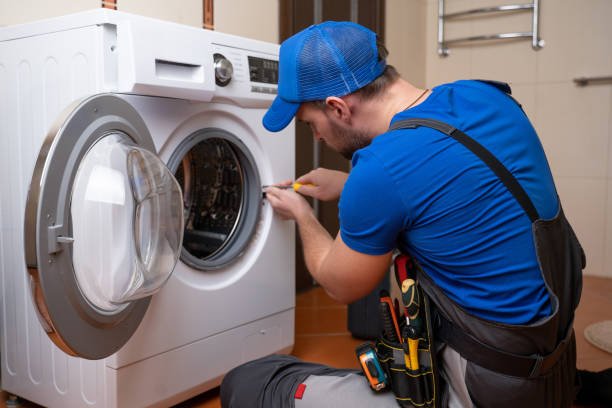
1. Washing Machine Does Not Turn On
One of the most frustrating problems is when the washing machine does not start at all.
Before assuming that the machine has a major fault, check the basic power supply.
Make sure the power cord is properly connected and that the electrical outlet is working. If the outlet is not providing power, the washing machine may appear completely dead.
Also check whether the door or lid is properly closed. Many automatic washing machines have a safety mechanism that prevents the appliance from starting when the door is not securely closed.
Possible causes include:
- Power supply problem
- Damaged power cord
- Door-lock problem
- Child-lock setting
- Faulty control panel
- Internal electrical problem
If the machine has power but remains completely unresponsive, professional diagnosis may be required.
2. Washing Machine Is Not Filling With Water
Another common problem occurs when the washing machine starts but does not fill with water.
First check the water supply tap. Make sure it is fully open.
Next, inspect the inlet hose. A bent or twisted hose can restrict water flow.
The inlet filter may also become blocked by dirt or mineral deposits.
Possible causes include:
- Closed water tap
- Blocked inlet hose
- Bent inlet hose
- Dirty inlet filter
- Faulty water inlet valve
- Sensor or control problem
If the water supply is normal and the machine still does not fill, a technician may need to inspect the inlet valve and other internal components.
3. Washing Machine Is Not Draining
A washing machine that does not drain water can leave dirty water inside the drum.
This problem should be addressed quickly because clothes can remain soaked in dirty water and the machine may be unable to complete the washing cycle.
Possible causes include:
- Blocked drain hose
- Clogged pump filter
- Foreign object
- Faulty drain pump
- Incorrect drain hose position
Before inspecting the machine, disconnect it from the electrical supply.
If your washing machine has an accessible filter, clean it according to the manufacturer’s instructions.
Small objects such as coins, buttons, hair, lint, and other debris can sometimes block the drainage system.
If cleaning the accessible filter does not solve the problem, the drain pump or another component may need professional inspection.
4. Washing Machine Is Not Spinning
The spinning cycle removes excess water from clothes. If the machine does not spin properly, clothes may remain very wet at the end of the cycle.
One of the easiest things to check is the laundry load.
If heavy clothes are gathered on one side of the drum, the machine may detect an imbalance and reduce or stop the spin cycle.
Redistribute the clothes evenly and try again.
Other possible causes include:
- Drainage problem
- Motor problem
- Door-lock issue
- Sensor fault
- Drive-system problem
- Control-board fault
If the machine repeatedly fails to spin, professional troubleshooting may be necessary.
5. Washing Machine Makes Loud Noise
Washing machines naturally produce some noise while operating. However, a sudden or unusually loud sound may indicate a problem.
A rattling sound can sometimes be caused by a coin, button, or another small object.
A banging sound during spinning may indicate an unbalanced load or an improperly leveled machine.
Grinding or severe mechanical sounds may indicate an internal problem.
If the noise is unusual:
- Stop the machine.
- Disconnect it from power.
- Check the drum for foreign objects.
- Check whether the machine is level.
- Redistribute the laundry.
If the noise continues, avoid unnecessary use until the appliance has been inspected.
6. Washing Machine Is Shaking or Vibrating
Excessive movement during the spin cycle can be caused by an uneven load.
Large items such as blankets and towels can become concentrated on one side of the drum.
Another common cause is an uneven floor or incorrectly adjusted machine feet.
Place the washing machine on a stable, level surface and make sure it does not rock when gently pushed.
Avoid overloading the drum.
If the machine continues to shake heavily after leveling and balancing the load, a mechanical inspection may be necessary.
7. Washing Machine Is Leaking Water
A water leak should never be ignored.
Even a small leak can eventually damage flooring, cabinets, walls, or nearby electrical components.
First try to identify where the water is coming from.
Check the:
- Water inlet hose
- Drain hose
- Door seal
- Detergent drawer
- Bottom of the machine
A loose hose connection may sometimes be corrected easily.
However, water coming from inside the machine may indicate a damaged seal, pump, hose, or another internal component.
If water is near electrical connections, stop using the machine and contact a qualified technician.
8. Clothes Are Too Wet After Washing
If clothes are still very wet after the washing cycle, the machine may not be draining or spinning correctly.
Start by checking the drainage system.
A blocked drain hose or pump filter can prevent water from leaving the drum.
Next, check the laundry load. An overloaded or unbalanced drum may prevent the machine from reaching the correct spin speed.
If drainage and load balance are normal but the clothes remain excessively wet, there may be a problem with the motor, sensor, control system, or another component.
9. Washing Machine Stops During a Cycle
Sometimes a washing machine starts normally but stops before completing the program.
Possible reasons include:
- Water supply interruption
- Drainage problem
- Door-lock problem
- Unbalanced load
- Sensor problem
- Electrical fault
- Internal component failure
If your machine has a display, look for an error code.
Write down the code and check the manufacturer’s instructions for your specific model.
Repeated errors may indicate a component that needs professional diagnosis.
10. Washing Machine Shows an Error Code
Many modern automatic washing machines use error codes to indicate problems.
An error code does not always mean that the entire machine needs to be replaced.
The code may indicate an issue with water supply, drainage, door locking, sensors, or another system.
Because error codes differ between brands and models, always check the manual for your specific machine.
Avoid replacing expensive parts without first confirming the actual cause of the problem.
How to Maintain an Automatic Washing Machine
Regular maintenance is one of the best ways to keep a washing machine operating efficiently.
Clean the Detergent Drawer
Detergent residue can build up inside the drawer.
Remove and clean the drawer regularly according to the manufacturer’s instructions.
Clean the Door Seal
For front-loading machines, dirt, hair, lint, and detergent residue can collect around the rubber door seal.
Wipe the seal regularly and remove visible debris.
Check the Drain Filter
If your machine has an accessible drain filter, inspect and clean it according to the manufacturer’s instructions.
A clean filter can help maintain proper drainage.
Do Not Overload the Machine
Every washing machine has a recommended capacity.
Overloading can place additional stress on the motor and other components and can also reduce washing performance.
Use the Correct Detergent
Use detergent suitable for your washing machine and follow the recommended quantity.
Using too much detergent can cause excessive residue and may affect the machine’s performance.
Keep the Machine Level
A properly leveled washing machine can reduce vibration and movement during the spin cycle.
When Should You Call a Washing Machine Repair Technician?
https://automaticwasherrepair.online/about-us/?utm_source: How to Repair an Automatic Washing Machine: Complete TroubleshootingNot every washing machine problem should be repaired at home.
Professional assistance is recommended when the problem involves electrical or internal components.
Contact a professional technician if:
- The machine has an electrical fault.
- The motor is not working.
- The control board appears damaged.
- The circuit breaker repeatedly trips.
- There is an internal water leak.
- The drum produces severe mechanical noise.
- You notice a burning smell.
- The machine repeatedly displays the same error.
- Basic troubleshooting has not solved the problem.
Electrical repairs can be dangerous. Always follow the manufacturer’s safety instructions and disconnect the appliance from power before performing any permitted basic checks.
Automatic Washing Machine Repair in Lahore
If your automatic washing machine is not working properly, getting the problem diagnosed correctly can save both time and money.
A professional repair technician can inspect the appliance and determine whether the problem is related to drainage, spinning, water supply, electrical components, the motor, sensors, or another part.
For homeowners in Lahore, a local washing machine repair service can provide convenient assistance when an appliance stops working.
Whether your machine is not draining, not spinning, leaking water, making unusual sounds, or refusing to start, the correct diagnosis is important before replacing any parts.
If basic troubleshooting does not solve the problem, contact a professional automatic washing machine repair service.
Tips to Prevent Washing Machine Problems
You can take several simple steps to reduce unnecessary washing machine problems.
Always follow the manufacturer’s recommended load capacity.
Do not force too many clothes into the drum.
Check pockets before putting clothes into the washing machine. Coins, keys, screws, and other small objects can damage or block internal components.
Clean accessible filters regularly.
Keep the detergent drawer clean.
Inspect hoses for visible damage.
Do not ignore unusual sounds or leaks.
Make sure the machine is properly leveled.
Following these basic habits can help extend the useful life of your washing machine.
Frequently Asked Questions
How do I repair an automatic washing machine?
First identify the exact problem. Check basic issues such as power, water supply, drain hoses, filters, door closure, and load balance. More complicated electrical, motor, pump, and control-board problems should be handled by a qualified technician.
Why is my washing machine not draining?
A blocked drain hose, clogged filter, foreign object, or faulty drain pump can prevent the machine from draining water.
Why is my washing machine not spinning?
An unbalanced load, drainage problem, door-lock issue, motor fault, sensor problem, or control-system fault can prevent proper spinning.
Why is my washing machine leaking?
Leaks can come from hoses, the door seal, detergent drawer, pump, or other internal components. Identify the source before attempting any repair.
Why does my washing machine make loud noises?
Foreign objects, an unbalanced load, an uneven machine, or an internal mechanical problem can cause unusual noise.
How often should I maintain my washing machine?
Basic cleaning and inspection should be performed regularly. The exact maintenance schedule depends on the machine model and manufacturer’s recommendations.
Final Conclusion
An automatic washing machine is a valuable household appliance, but regular use can eventually lead to problems. Issues such as poor drainage, spinning failure, water leaks, unusual noise, vibration, and water supply problems are among the most common faults homeowners experience.
Some basic issues can be identified through simple troubleshooting, such as checking the power supply, water connection, drain hose, filter, machine level, and laundry load.
However, electrical faults, motor problems, control-board issues, serious leaks, and internal mechanical failures should be handled by a qualified professional.
Regular maintenance, proper loading, correct detergent use, and timely attention to unusual symptoms can help keep your washing machine working efficiently.
If your automatic washing machine is not working correctly and basic troubleshooting does not solve the problem, professional automatic washing machine repair can help restore your appliance and prevent further damage.
dusro tara sent karo jasa copmlete readt ho
Ji, samajh gaya. Aap aisa complete ready post chahti hain jisme aapko headings alag se banani na padhein aur seedha copy → WordPress Post → paste kar dein.
Neeche ready format hai:
Automatic Washing Machine Repair in Lahore – Complete Guide to Common Problems and Solutions
Automatic washing machines make everyday laundry much easier. They wash, rinse, drain, and spin clothes automatically, saving both time and effort. However, like any household appliance, a washing machine can develop problems with regular use. Sometimes the problem is simple, such as a blocked drain hose or an unbalanced load. In other situations, the machine may have an electrical, motor, pump, sensor, or control-board problem that requires professional repair.
If your washing machine is not working properly, understanding the possible cause can help you decide what to check and when to call a professional technician. This complete guide explains common automatic washing machine problems, possible causes, basic troubleshooting steps, maintenance advice, and when professional automatic washing machine repair is needed.
Why Is My Automatic Washing Machine Not Working?
There are many reasons an automatic washing machine may stop working correctly. Regular wear and tear, overloading, blocked filters, water-supply problems, electrical faults, and damaged components can all affect the performance of a washing machine.
Some of the most common problems include:
- Washing machine not turning on
- Washing machine not filling with water
- Washing machine not draining
- Washing machine not spinning
- Washing machine making loud noises
- Washing machine shaking or vibrating
- Washing machine leaking water
- Clothes remaining wet after washing
- Washing machine stopping during a cycle
- Washing machine displaying an error code
The first step is to identify the exact symptom before trying to determine the solution.
Washing Machine Is Not Turning On
If your automatic washing machine does not turn on, start with the basic power supply.
Make sure the power cord is properly connected to the electrical outlet. Check whether the outlet is working correctly. You should also make sure that the washing machine door or lid is completely closed because many automatic machines will not start if the door-lock system has not been activated.
Check the following:
- Power connection
- Electrical outlet
- Power cord
- Door or lid
- Child-lock setting
- Start button
- Selected washing program
If the machine has power but does not respond, the problem could be related to the control panel, door-lock mechanism, wiring, or electronic control board. These types of problems are better handled by a qualified technician.
Washing Machine Is Not Filling With Water
If the washing machine turns on but does not fill with water, first check the water supply.
Make sure the water tap connected to the machine is completely open. Inspect the inlet hose and make sure it is not bent, twisted, or blocked.
The water inlet filter can also become dirty over time. Dirt and mineral deposits may reduce water flow.
Possible causes include:
- Closed water tap
- Blocked inlet hose
- Bent hose
- Dirty inlet filter
- Faulty water inlet valve
- Sensor problem
- Control-board problem
If the water supply is working normally but the machine still does not fill, professional inspection may be required.
Washing Machine Is Not Draining Water
A washing machine that does not drain properly can leave water inside the drum and prevent the washing cycle from completing.
One of the most common causes is a blocked drain hose or pump filter. Small objects such as coins, buttons, lint, hair, and other debris can sometimes block the drainage system.
Before checking the machine, switch it off and disconnect it from the electrical supply.
If your model has an accessible pump filter, clean it according to the manufacturer’s instructions.
If the machine still does not drain after basic checks, the drain pump or another internal component may have a problem and professional automatic washing machine repair may be necessary.
Washing Machine Is Not Spinning
If your washing machine washes clothes but does not spin properly, check the laundry load first.
An unbalanced load can prevent the machine from reaching the correct spin speed. Heavy towels, blankets, or other large items may move to one side of the drum.
Stop the machine and redistribute the clothes evenly.
Other possible causes include:
- Drainage problems
- Motor problems
- Door-lock problems
- Sensor faults
- Drive-system problems
- Electronic control problems
If the washing machine repeatedly fails to spin even with a balanced load, it should be inspected by a professional.
Washing Machine Makes Loud or Strange Noises
Some noise is normal when a washing machine is operating, but unusual sounds can indicate a problem.
A rattling noise may be caused by coins, buttons, or other objects inside the drum.
A banging noise during the spin cycle can occur because of an unbalanced load or an uneven machine.
Grinding or severe mechanical noise may indicate an internal mechanical problem.
If your washing machine suddenly becomes very noisy, stop the machine and check for simple causes. Make sure the machine is level and the laundry is distributed evenly.
If the noise continues, professional inspection is recommended.
Washing Machine Is Shaking or Vibrating
Excessive vibration is usually noticed during the spin cycle.
An uneven laundry load can cause the drum to become unbalanced. An uneven floor or incorrectly adjusted machine feet can also cause excessive movement.
Make sure the washing machine is standing on a stable and level surface.
Avoid overloading the drum and distribute clothes evenly.
If the machine continues to shake strongly despite being level and properly loaded, there may be an internal mechanical problem.
Washing Machine Is Leaking Water
A leaking washing machine should not be ignored. Water can damage floors, cabinets, walls, and electrical components.
Try to identify the source of the leak.
Check the:
- Water inlet hose
- Drain hose
- Door seal
- Detergent drawer
- Bottom of the washing machine
A loose hose connection may sometimes be the cause. However, a damaged door seal, pump, internal hose, or other component may require professional repair.
If water is close to electrical parts, stop using the appliance and contact a qualified technician.
Clothes Are Still Very Wet After Washing
If clothes remain excessively wet after the washing cycle, the machine may not be draining or spinning properly.
First check whether water is being removed from the drum.
A blocked drain hose or pump filter can prevent proper drainage. An unbalanced or overloaded load can also reduce the spin speed.
If the machine drains correctly and the load is balanced but clothes are still very wet, the problem may involve the motor, sensor, control system, or another component.
Washing Machine Stops During the Cycle
Sometimes a washing machine starts normally but stops before completing the program.
Possible causes include:
- Water supply problems
- Drainage problems
- Door-lock problems
- Unbalanced laundry
- Sensor problems
- Electrical faults
- Internal component problems
If the machine has a digital display, check whether an error code is shown.
Write down the error code and check the manufacturer’s manual for your specific model.
If the same error continues to appear, professional diagnosis may be necessary.
Washing Machine Shows an Error Code
Modern automatic washing machines often display error codes when they detect a problem.
The meaning of an error code depends on the brand and model. Therefore, it is important to check the manual for your particular appliance.
An error code does not always mean that an expensive part needs to be replaced. The actual cause should be diagnosed before replacing components.
If basic troubleshooting does not solve the issue, contact a professional washing machine repair technician.
How to Maintain Your Automatic Washing Machine
Regular maintenance can help improve washing machine performance and reduce unnecessary problems.
Clean the Detergent Drawer
Detergent and fabric softener can build up inside the drawer. Remove and clean the drawer regularly according to the manufacturer’s instructions.
Clean the Door Seal
Hair, lint, dirt, and detergent residue can collect around the rubber door seal. Wipe the seal regularly and remove visible debris.
Check the Drain Filter
If your washing machine has an accessible drain filter, clean it according to the manufacturer’s instructions.
Do Not Overload the Machine
Every washing machine has a recommended load capacity. Avoid putting more clothes into the machine than the manufacturer recommends.
Use the Correct Detergent
Use detergent that is suitable for your washing machine. Follow the recommended amount instead of using excessive detergent.
Keep the Machine Level
A properly leveled washing machine can reduce vibration and movement during the spin cycle.
When Should You Call a Professional Washing Machine Repair Service?
Some washing machine problems can be checked with basic troubleshooting, but electrical and internal repairs should generally be handled by a qualified professional.
You should contact a professional technician if:
- The washing machine has an electrical fault.
- The motor is not working.
- The control board appears damaged.
- The machine repeatedly trips the circuit breaker.
- There is an internal water leak.
- The drum makes severe mechanical noises.
- You notice a burning smell.
- The same error code repeatedly appears.
- Basic troubleshooting does not solve the problem.
Electrical components can be dangerous. Always follow the manufacturer’s safety instructions and disconnect the appliance from power before performing any permitted basic checks.
Automatic Washing Machine Repair in Lahore
If your automatic washing machine is not working properly, professional diagnosis can help identify the actual problem.
A technician can inspect the washing machine and determine whether the issue is related to drainage, spinning, water supply, electrical components, the motor, sensors, or another part.
For homeowners in Lahore, a local automatic washing machine repair service can provide convenient assistance when an appliance stops working.
Whether your machine is not draining, not spinning, leaking water, making unusual sounds, or refusing to start, it is important to identify the cause before replacing any parts.
If basic troubleshooting does not solve the problem, professional automatic washing machine repair can help restore your appliance.
Tips to Prevent Washing Machine Problems
You can reduce the chance of washing machine problems by following a few simple habits.
Always follow the recommended load capacity.
Check clothing pockets before putting clothes into the machine. Coins, keys, screws, and other small objects can block or damage components.
Clean accessible filters regularly.
Keep the detergent drawer clean.
Inspect water hoses for visible damage.
Do not ignore unusual sounds, leaks, or burning smells.
Keep the washing machine level.
Use the correct detergent and the correct amount.
Regular maintenance can help keep your washing machine working efficiently.
Frequently Asked Questions
How do I repair an automatic washing machine?
First identify the exact problem. Check basic things such as power, water supply, drain hose, filters, door closure, and laundry balance. Electrical, motor, pump, and control-board problems should be handled by a qualified technician.
Why is my automatic washing machine not draining?
A blocked drain hose, clogged filter, foreign object, or faulty drain pump can prevent the washing machine from draining.
Why is my washing machine not spinning?
An unbalanced load, drainage problem, door-lock issue, motor problem, sensor fault, or control-system problem can prevent proper spinning.
Why is my washing machine making a loud noise?
Foreign objects, an uneven load, an unlevel machine, or an internal mechanical problem can cause unusual noise.
Why is my washing machine leaking?
Leaks can be caused by hoses, door seals, detergent drawers, pumps, or other internal components. The source of the leak should be identified before attempting a repair.
How can I keep my washing machine working properly?
Regularly clean the detergent drawer and accessible filters, avoid overloading, use the correct detergent, keep the machine level, and address unusual sounds or leaks quickly.
Final Thoughts
Automatic washing machines make laundry easier, but regular use can eventually lead to different problems. Drainage issues, spinning problems, water leaks, unusual noises, excessive vibration, water-supply problems, and electrical faults are some of the most common issues.
Simple problems may sometimes be identified through basic troubleshooting. However, complicated problems involving electrical components, motors, pumps, sensors, or control boards should be handled by a qualified professional.
Regular maintenance, correct loading, proper detergent use, and timely attention to problems can help extend the useful life of your washing machine.
If your washing machine is not working correctly and basic troubleshooting does not solve the problem, professional automatic washing machine repair can help diagnose and fix the issue safely.