Automatic washing machines make laundry easier by handling washing, rinsing, draining, and spinning with minimal effort. However, like any household appliance, a washing machine can develop problems over time. It may stop draining water, fail to spin, make unusual noises, leak water, refuse to start, or show an error code.
The good news is that many common washing machine problems can be identified with a few simple checks. This complete guide explains how to troubleshoot and repair an automatic washing machine, what causes common faults, and when you should contact a professional washing machine repair technician.
Common Automatic Washing Machine Problems
https://automaticwasherrepair.online/?: How to Repair an Automatic Washing Machine: Complete GuideBefore attempting any repair, identify the exact problem. Common automatic washing machine issues include:
- Washing machine does not start
- Washing machine does not fill with water
- Washing machine does not drain
- Washing machine does not spin
- Washing machine stops during a cycle
- Washing machine makes loud noises
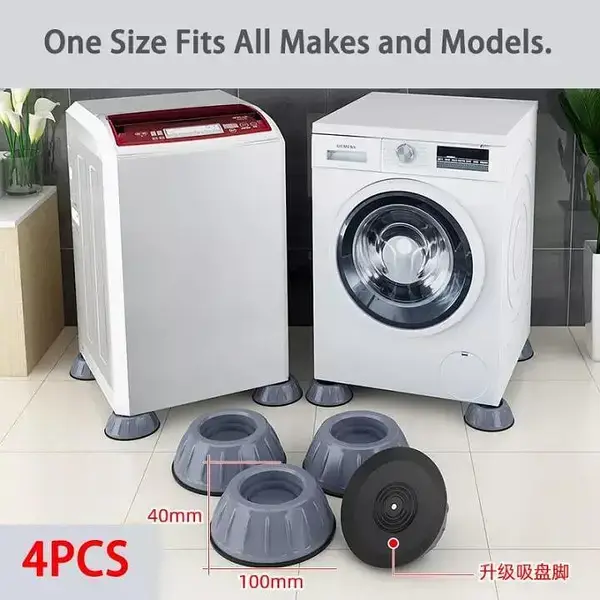
- Washing machine vibrates excessively
- Washing machine leaks water
- Washing machine door does not open
- Washing machine does not clean clothes properly
- Washing machine takes too long to complete a cycle
- Washing machine displays an error code
- Washing machine smells bad
- Washing machine fills with water but does not wash
Finding the symptom first makes troubleshooting much easier.
1. Safety First Before Repairing a Washing Machine
Safety should always come first when working on an electrical appliance.
Before inspecting internal components:
- Turn the washing machine off.
- Unplug it from the electrical outlet.
- Turn off the water supply.
- Keep the floor around the machine dry.
- Do not touch exposed electrical wires.
- Do not work on electrical components if you are not qualified.
- If you smell burning, see sparks, or notice damaged wiring, stop using the machine and contact a professional technician.
Simple checks such as cleaning a filter or checking a hose are usually easier, but electrical and mechanical repairs may require professional tools and experience.
2. Washing Machine Is Not Starting
One of the most common problems is a washing machine that does not turn on.
Possible Causes
The problem may be caused by:
- No electricity
- Loose power plug
- Tripped circuit breaker
- Damaged power cord
- Faulty door or lid lock
- Control panel problem
- Internal electrical fault
How to Check It
First, make sure the washing machine is properly plugged into a working electrical outlet. You can check whether another appliance works from the same outlet.
Next, make sure the door is completely closed. Many automatic washing machines will not start unless the door or lid lock is properly engaged.
If the display remains completely blank after checking the power supply, the problem may be electrical and should be inspected by a qualified technician.
3. Washing Machine Is Not Filling With Water
If the machine starts but no water enters the drum, several things may be responsible.
Check the Water Supply
Make sure the water supply valve is fully open. A partially closed valve can reduce water flow or prevent the machine from filling properly.
Check the Inlet Hose
Inspect the water inlet hose for:
- Kinks
- Bends
- Blockages
- Cracks
- Loose connections
A blocked inlet screen can also restrict water flow.
Possible Faulty Water Inlet Valve
The water inlet valve controls the flow of water into the machine. If the valve fails, the machine may not fill even when the water supply is working.
This component usually requires testing and, if defective, replacement.
4. Automatic Washing Machine Is Not Draining
A washing machine that does not drain can leave dirty water inside the drum.
This is a very common problem.
Common Causes
Possible causes include:
- Blocked drain filter
- Blocked drain hose
- Kinked drain hose
- Foreign object in the pump
- Faulty drain pump
- Drainage installation problem
Check the Drain Hose
Look behind the washing machine and check whether the drain hose is bent or crushed.
A restricted hose can prevent water from leaving the machine.
Clean the Drain Filter
Many washing machines have a drain filter designed to catch coins, lint, hair, buttons, and other small objects.
Before opening the filter, place towels or a suitable container underneath because water may come out.
Clean the filter carefully and remove visible debris.
If the machine still does not drain after cleaning the filter and checking the hose, the drain pump may require inspection.
5. Washing Machine Is Not Spinning
If the machine washes but does not spin, the cause may be simple or mechanical.
Possible Causes
- Unbalanced load
- Too many clothes
- Drainage problem
- Door lock problem
- Worn drive components
- Motor problem
- Control board fault
Redistribute the Clothes
An uneven load can prevent the machine from reaching high spin speed.
Open the machine when safe to do so and redistribute the clothes evenly.
Avoid overloading the washing machine.
If the machine repeatedly refuses to spin even with a balanced load, further inspection may be required.
6. Washing Machine Stops During the Cycle
A washing machine that stops halfway through a program may have several possible causes.
The machine may stop because:
- Water supply is interrupted
- Drainage is blocked
- Door lock is not working correctly
- Machine is overloaded
- Motor overheats
- Error condition has been detected
- Electrical supply is unstable
Check the display for an error code if your washing machine has a digital screen.
The manufacturer’s manual can help explain the meaning of the specific code.
7. Washing Machine Makes Loud Noises
Unusual noises should not be ignored.
Different sounds can indicate different problems.
Grinding Noise
A grinding sound may indicate a foreign object or mechanical component problem.
Banging Noise
Banging can occur when clothes become unevenly distributed inside the drum.
It can also indicate a suspension or leveling problem.
Clicking Noise
A clicking noise may sometimes be caused by coins, buttons, zippers, or other objects.
Squealing Noise
A squealing sound may indicate wear in a belt, bearing, motor-related component, or another moving part.
If the noise is severe or suddenly appears, stop using the machine until the cause is identified.
8. Washing Machine Is Vibrating Too Much
A washing machine should remain reasonably stable during operation.
Excessive vibration can be caused by:
- Uneven floor
- Machine not level
- Uneven clothing load
- Overloading
- Installation problems
- Worn suspension components
Use a level to check whether the machine is sitting evenly.
Adjust the machine’s leveling feet if necessary.
Also make sure the washing machine is installed on a firm and stable surface.
9. Washing Machine Is Leaking Water
Water leaking from a washing machine should be investigated quickly.
Possible sources include:
- Door seal
- Water inlet hose
- Drain hose
- Detergent drawer
- Drain filter
- Internal hose
- Water inlet valve
First determine where the water is coming from.
Check external hoses and connections for cracks or loose fittings.
If water is coming from inside the cabinet, unplug the machine and contact a qualified technician.
10. Washing Machine Door Will Not Open
An automatic washing machine may keep the door locked when water remains inside the drum or while the machine is operating.
Never force the door open.
First:
- Stop the program.
- Wait for the machine to finish its safety lock procedure.
- Check whether water remains inside.
- Run an appropriate drain program if available.
- Check the user manual for the correct emergency door-opening procedure.
If the door remains locked after the machine has drained, the door-lock mechanism may require professional inspection.
11. Washing Machine Does Not Clean Clothes Properly
Sometimes the machine works normally but clothes still come out dirty.
Possible reasons include:
- Too much detergent
- Too little detergent
- Overloading
- Wrong wash program
- Cold water problem
- Dirty drum
- Blocked detergent drawer
- Poor-quality detergent
- Insufficient washing time
Avoid filling the drum beyond the manufacturer’s recommended capacity.
Use the correct detergent and amount for your washing machine and laundry load.
12. Washing Machine Smells Bad
A bad smell often develops when moisture, detergent residue, lint, and dirt accumulate inside the machine.
To reduce odors:
- Clean the detergent drawer regularly.
- Clean the door seal.
- Keep the door slightly open after washing.
- Clean the drain filter according to the manufacturer’s instructions.
- Run a suitable maintenance or cleaning cycle.
- Avoid leaving wet clothes inside for long periods.
Regular cleaning can help keep the washing machine fresh.
13. Washing Machine Fills and Drains at the Same Time
If water enters the machine but immediately drains away, the drain hose may be installed incorrectly.
The drain hose needs to be positioned according to the manufacturer’s installation requirements.
If the hose is positioned too low, water can flow out before the wash cycle is completed.
Check the installation instructions for your specific model.
14. Washing Machine Is Taking Too Long
A washing machine may take longer than expected for several reasons.
Modern machines can automatically adjust cycle times depending on:
- Load size
- Water temperature
- Water pressure
- Selected program
- Load balance
- Drainage conditions
However, an unusually long cycle may indicate a problem with water supply or drainage.
Check the inlet hose, water pressure, drain hose, and drain filter.
15. How to Clean a Washing Machine
Regular cleaning is an important part of washing machine maintenance.
Step 1: Clean the Detergent Drawer
Remove the drawer if the design allows it.
Wash away detergent and fabric softener buildup.
Step 2: Clean the Door Seal
Wipe the rubber seal around the door.
Remove lint, hair, dirt, and trapped objects.
Step 3: Clean the Drain Filter
Follow the manufacturer’s instructions for accessing and cleaning the filter.
Remember that water may come out when the filter is opened.
Step 4: Run a Cleaning Cycle
If your machine has a drum-cleaning or maintenance program, use it according to the manufacturer’s instructions.
16. How to Prevent Washing Machine Problems
Prevention is usually easier and less expensive than major repairs.
Follow these maintenance tips:
- Do not overload the machine.
- Empty pockets before washing clothes.
- Keep the door seal clean.
- Clean the detergent drawer.
- Check hoses regularly.
- Clean the drain filter as recommended.
- Keep the machine level.
- Use the correct detergent.
- Do not ignore unusual sounds.
- Remove wet clothes promptly after a cycle.
- Follow the manufacturer’s maintenance instructions.
17. When Should You Call a Professional Washing Machine Repair Technician?
Some repairs are better handled by a trained professional.
Contact a technician if:
- The washing machine has an electrical fault.
- The machine produces smoke or burning smells.
- The circuit breaker repeatedly trips.
- Internal wiring is damaged.
- The motor has failed.
- The control board may be defective.
- The drum bearings are damaged.
- The machine has a serious water leak.
- The machine repeatedly displays an error code.
- Basic troubleshooting does not solve the problem.
Trying to repair complicated electrical or mechanical components without the proper knowledge can cause additional damage or create a safety risk.
18. Professional Automatic Washer Repair Services
From pageLink kis page par
Anchor text
Home
Services
Automatic Washing Machine Repair Services
Home
About
About Automatic Washer Repair
Home
Contact
Contact Us for Washer Repair
Services
Contact
Book Washing Machine Repair Service
Blog Post
Services
professional washing machine repair services
Blog Post
Contact
contact us for washing machine repair
About
Services
our automatic washer repair services
Services
Blog
washing machine repair tips: How to Repair an Automatic Washing Machine: Complete Guide
When your automatic washing machine stops working properly, professional repair can save time and help prevent further damage.
A qualified washing machine repair technician can inspect the appliance, identify the cause of the problem, explain the repair required, and replace faulty components when necessary.
Professional service may be useful for problems involving:
- Washing machine motors
- Drain pumps
- Water inlet valves
- Door locks
- Control boards
- Bearings
- Suspension systems
- Electrical components
- Water leaks
- Spinning problems
- Drainage problems
For difficult faults, professional diagnosis is often safer than repeatedly trying different repairs yourself.
Frequently Asked Questions
Can I repair an automatic washing machine myself?
Some basic troubleshooting can be done safely, such as checking the power supply, water supply, hoses, load balance, and accessible filters. Electrical and internal mechanical repairs should generally be handled by a qualified technician.
Why is my washing machine not draining?
A blocked drain filter, clogged or kinked drain hose, foreign object, or faulty drain pump can prevent drainage.
Why does my washing machine not spin?
An unbalanced load, overload, drainage problem, door-lock issue, motor problem, or mechanical fault can prevent spinning.
Why is my washing machine leaking?
Check the door seal, inlet hose, drain hose, filter, detergent drawer, and connections. Internal leaks require professional inspection.
How often should I clean my washing machine?
Regular cleaning is recommended. The exact maintenance schedule depends on the washing machine model and manufacturer’s instructions.
Is it safe to use a washing machine that makes unusual noises?
It is better to identify the cause first. If the machine makes loud grinding, banging, or burning sounds, stop using it and have it inspected.
Final Thoughts
An automatic washing machine can develop many different problems, but proper troubleshooting can help identify the cause. Start with simple checks such as the power supply, water supply, hoses, drain filter, load balance, and door lock.
For more complicated problems involving electrical wiring, motors, bearings, control boards, pumps, or internal leaks, professional washing machine repair is the safer option.
Regular maintenance, correct loading, proper detergent use, and routine cleaning can also help extend the life of your washing machine and reduce unexpected breakdowns.
If your automatic washing machine is not draining, not spinning, leaking, making unusual noises, or refusing to start, getting the problem diagnosed early can help prevent a small issue from becoming a more expensive repair.