If your automatic washing machine is not draining water properly, you are not alone. A washer that stops before the spin cycle, leaves water inside the drum, or drains very slowly can be frustrating. The good news is that many drainage problems have simple causes, while more serious problems may require professional washing machine repair.
In this guide, we will explain the most common reasons an automatic washing machine does not drain water, simple checks you can perform, and when you should contact a professional repair technician.
Why Is My Automatic Washing Machine Not Draining?
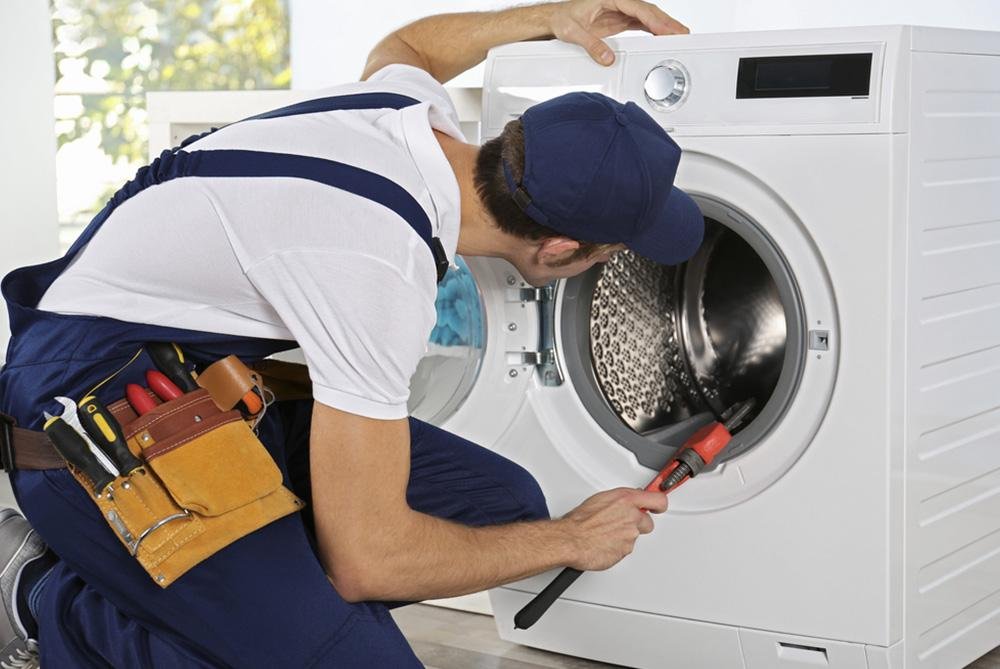
A washing machine needs to remove dirty water before it can complete the spin cycle. If the water remains inside the drum, the machine may stop working or display an error code.
Common causes include:
- A clogged drain hose
- A blocked drain pump filter
- A damaged drain pump
- A kinked or incorrectly positioned drain hose
- A blocked household drain
- Excessive detergent or soap buildup
- A problem with the lid or door lock
- A faulty control board
- Small objects stuck inside the pump
Finding the exact cause can help prevent unnecessary repair costs.
1. Check the Drain Hose
One of the first things to inspect is the washing machine drain hose. The hose carries dirty water from the washer to the household drain.
If the hose is bent, crushed, twisted, or blocked, water may not flow properly.
What to check:
- Turn off the washing machine.
- Unplug it from the electrical outlet.
- Carefully check the drain hose.
- Make sure it is not kinked or compressed.
- Check both ends of the hose for visible blockage.
If the hose is damaged or cracked, it may need to be replaced.
2. Clean the Drain Pump Filter
Many automatic washing machines have a drain pump filter that catches lint, coins, buttons, hair, and other small objects.
When this filter becomes clogged, the machine may drain slowly or stop draining completely.
Before cleaning the filter, disconnect the washing machine from power. Keep a container and towels nearby because water may come out when the filter is opened.
Clean away visible debris and reinstall the filter securely.
Important: The exact filter location varies between washing machine models, so check your manufacturer’s instructions before opening any panel.
3. Inspect the Drain Pump
The drain pump is responsible for pushing water out of the washing machine.
If the pump is damaged, blocked, or electrically faulty, the machine may leave water inside the drum.
Common signs of a drain pump problem include:
- Water remains in the washer
- The washer makes unusual buzzing or humming sounds
- The machine drains very slowly
- The washer stops during the cycle
- The pump makes a grinding noise
A professional technician can inspect the pump and determine whether it needs cleaning, repair, or replacement.
4. Check for a Blocked Household Drain
Sometimes the washing machine is working correctly, but the household drain is blocked.
If water drains slowly from other nearby fixtures, such as a sink, this may indicate a plumbing blockage rather than a washing machine problem.
Check the drain connection carefully. If the household drain is blocked, you may need a qualified plumber to resolve the issue.
5. Avoid Using Too Much Detergent
Using more detergent does not necessarily make clothes cleaner. Excess detergent can create excessive suds and residue.
Over time, soap buildup may contribute to drainage problems and unpleasant odors.
Always follow the detergent manufacturer’s recommended amount and use detergent suitable for your washing machine.
High-efficiency washing machines generally require HE detergent.
6. Check the Washer Door or Lid
Some automatic washers will not continue to the drain or spin stage if the door or lid is not properly closed or locked.
A faulty door-lock or lid-switch assembly can prevent the machine from completing its cycle.
Check that:
- The door or lid closes properly.
- No clothing is trapped around the door seal.
- The lock mechanism is not visibly damaged.
- The machine is not showing a door or lid error.
If the washer continues to stop even though the door or lid is properly closed, professional diagnosis may be required.
7. Look for Small Objects Blocking the Pump
Coins, hairpins, buttons, socks, and other small objects can sometimes enter the drainage system.
These objects can become trapped near the pump or hose and prevent water from flowing.
This is especially common when pockets are not checked before washing clothes.
To reduce the risk of blockages, always check pockets before placing clothes inside the washer.
8. Reset the Washing Machine
In some cases, an electronic error can temporarily interrupt the washing cycle.
You can try a basic reset:
- Turn the washer off.
- Unplug it from the electrical outlet.
- Wait several minutes.
- Plug it back in.
- Select a drain or spin cycle.
If the machine starts working normally after the reset, monitor it for future problems.
If the same problem keeps returning, the washer should be inspected to identify the underlying cause.
Washing Machine Not Draining but Making Noise
If your washer makes a humming or buzzing sound but does not remove water, there may be an obstruction in the drain pump or a pump that is struggling to operate.
Do not repeatedly run the washer if it is unable to drain. Continued operation may place additional stress on the pump.
A technician can inspect the drainage system and determine whether the pump is blocked or defective.
Washing Machine Drains Slowly
A washer that drains slowly may have a partially blocked hose, dirty filter, restricted drain, or pump problem.
Slow drainage should not be ignored because a minor blockage can become a complete blockage.
Cleaning the accessible filter and checking the drain hose can be a good first step. If the problem continues, professional repair may be necessary.
When Should You Call a Professional?
You should consider professional washing machine repair if:
- The washer will not drain after basic checks.
- The drain pump is making unusual sounds.
- The machine repeatedly shows an error code.
- There is water leaking from the washer.
- The pump appears damaged.
- Electrical components may be faulty.
- You are uncomfortable opening or inspecting the machine.
Working around electrical appliances and water can be dangerous. Always unplug the washing machine before performing basic inspection, and do not attempt electrical repairs unless you have the proper knowledge and equipment.
How to Prevent Washing Machine Drainage Problems
Regular maintenance can help reduce drainage problems and extend the life of your washing machine.
Follow these simple tips:
- Clean the drain filter regularly.
- Check pockets before washing clothes.
- Do not overload the washer.
- Use the correct amount of detergent.
- Inspect the drain hose occasionally.
- Keep the washer level.
- Avoid putting inappropriate objects into the washer.
- Follow the manufacturer’s maintenance instructions.
Regular care can help your washer operate more efficiently and reduce unexpected breakdowns.
Why Professional Automatic Washer Repair Matters
When a washing machine repeatedly fails to drain, replacing random parts may waste money and time. Professional diagnosis helps identify the actual problem.
An experienced technician can inspect the drain hose, filter, pump, electrical components, door or lid mechanism, and other parts to determine the source of the problem.
If your automatic washing machine is not draining, getting the problem checked early may prevent a small issue from becoming a more expensive repair.
Frequently Asked Questions
Why is my automatic washing machine full of water?
A clogged drain hose, blocked filter, faulty drain pump, or blocked household drain can cause water to remain inside the washer.
Can I fix a washing machine that is not draining myself?
Some basic checks, such as inspecting the drain hose or cleaning an accessible filter, may be possible. Always unplug the machine first and follow the manufacturer’s instructions.
How do I know if my drain pump is bad?
A faulty pump may cause standing water, unusual noises, slow drainage, or repeated failure during the drain cycle. A technician can test the pump to confirm the problem.
Why does my washer drain slowly?
Slow drainage can be caused by a partial blockage in the hose, filter, pump, or household drain.
Should I keep using the washer if it does not drain?
It is better to stop using the washer until the drainage problem is identified. Repeatedly running a washer that cannot drain may cause additional problems.
Need Automatic Washer Repair?
A washing machine that does not drain can quickly become a major inconvenience. Start with simple checks such as the drain hose and accessible filter. If the problem continues, professional diagnosis can help identify the real cause.
For reliable automatic washer repair, contact a qualified repair technician to inspect your washing machine and restore it to proper working condition.
https://www.samsung.com/us/support/troubleshooting/?utm_source: Automatic Washing Machine Not Draining Water? Causes, Fixes & Expert Repair Guide